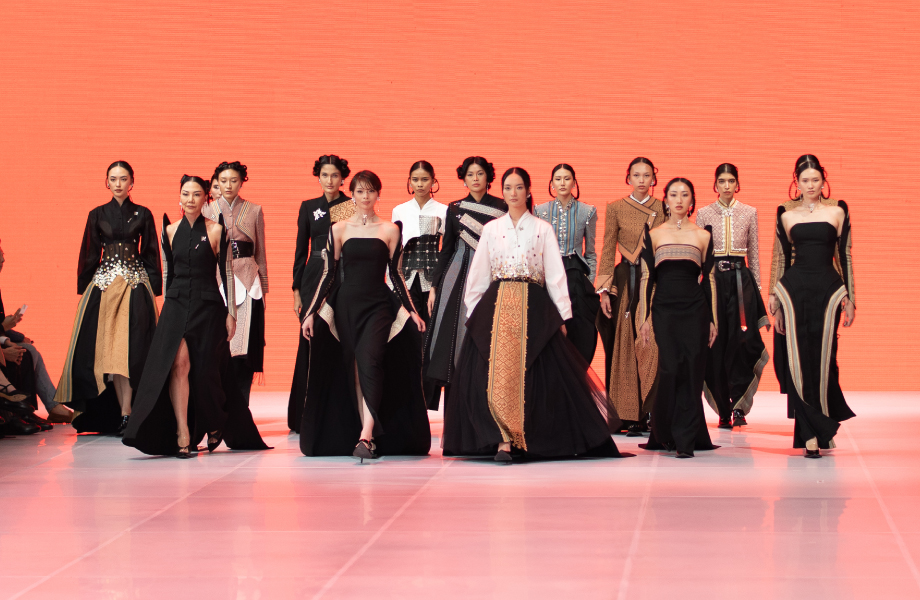




From a small village in Kapuas Hulu, West Kalimantan, a source of pride is now echoing on Indonesia's biggest fashion stage. Dayak Iban weaving, an ancestral heritage woven with patience and deep meaning, made its debut at Jakarta Fashion Week (JFW) 2027 on October 31, 2026. This historic moment was made possible by the Aram Bekelala Tenun Iban program from Yayasan Kawan Lama, which supports women weavers in building their skills, increasing the value of their products, and expanding their access to markets.
The results are remarkable. In just under two years, weavers' average income has soared by up to 360%, with total weaving sales exceeding IDR 500 million. On the JFW 2027 runway, a collaboration with Cita Tenun Indonesia, Wilsen Willim, and Pendopo presented 15 contemporary fashion designs featuring the Sidan and Pileh techniques. Pileh weaving, which fewer young weavers practice today, took the spotlight in front of Indonesia's fashion world.
Behind the glamour lies a strong foundation. Through a Training of Trainers approach, 20 women weavers were trained as local facilitators and reached more than 80 other weavers. The program also documented 58 local weaving motifs, created 5 new motif innovations, and expanded natural dye options from 6 to 69 color variations using 23 local plant species. Today, 29 Iban weaving motifs are available through Pendopo, bringing the weavers' work to a wider audience of consumers.
For Kawan Lama Group and Yayasan Kawan Lama, preserving culture also means empowering the people who safeguard it. "We want Iban weaving to be not only a heritage that is protected, but also a source of pride and livelihood that continues to grow for generations to come," said Tasya Widyakrisnadi, Chairperson of Yayasan Kawan Lama. The story of these Dayak Iban Indai weavers shows that culture nurtured with love can travel far, from a village to the Jakarta runway. Learn more about our commitment at kawanlamagroup.com.